Launching soon in Littleton, Colorado

Small-batch microgreens, grown with care.

Greg's Grateful Greens is a small, local grow in Littleton. We raise fresh microgreens, herbs, and seasonal produce with a soil-first mindset. We're getting ready for launch and now taking restaurant and chef inquiries.

About Greg & the grow

Grown by a neighbor who thinks about soil.

I'm Greg. By day I manage a team that prepares soil samples for testing, so I spend a lot of time thinking about what makes soil healthy. Greg's Grateful Greens is where I put that into practice, growing on the side in Littleton.

A thru-hike of the entire Appalachian Trail sharpened what I care about most: high-quality food and clean water. I studied biology and ecology to learn how plants and soil work together, and later worked at Summer Creek Farm in Thurmont, Maryland — an organic produce farm that also runs a soil business. That mix of trail time, coursework, and farm work is why this grow stays small and soil-minded.

I'm into regenerative growing: feeding the soil, getting into worm composting, and keeping things small enough that every tray gets real attention. That means short runs and close care, and I'd rather be honest about what I can grow well than promise more than that.

  • Small-batch
  • Soil-health minded
  • Local to Littleton

Where it began

The early trays.

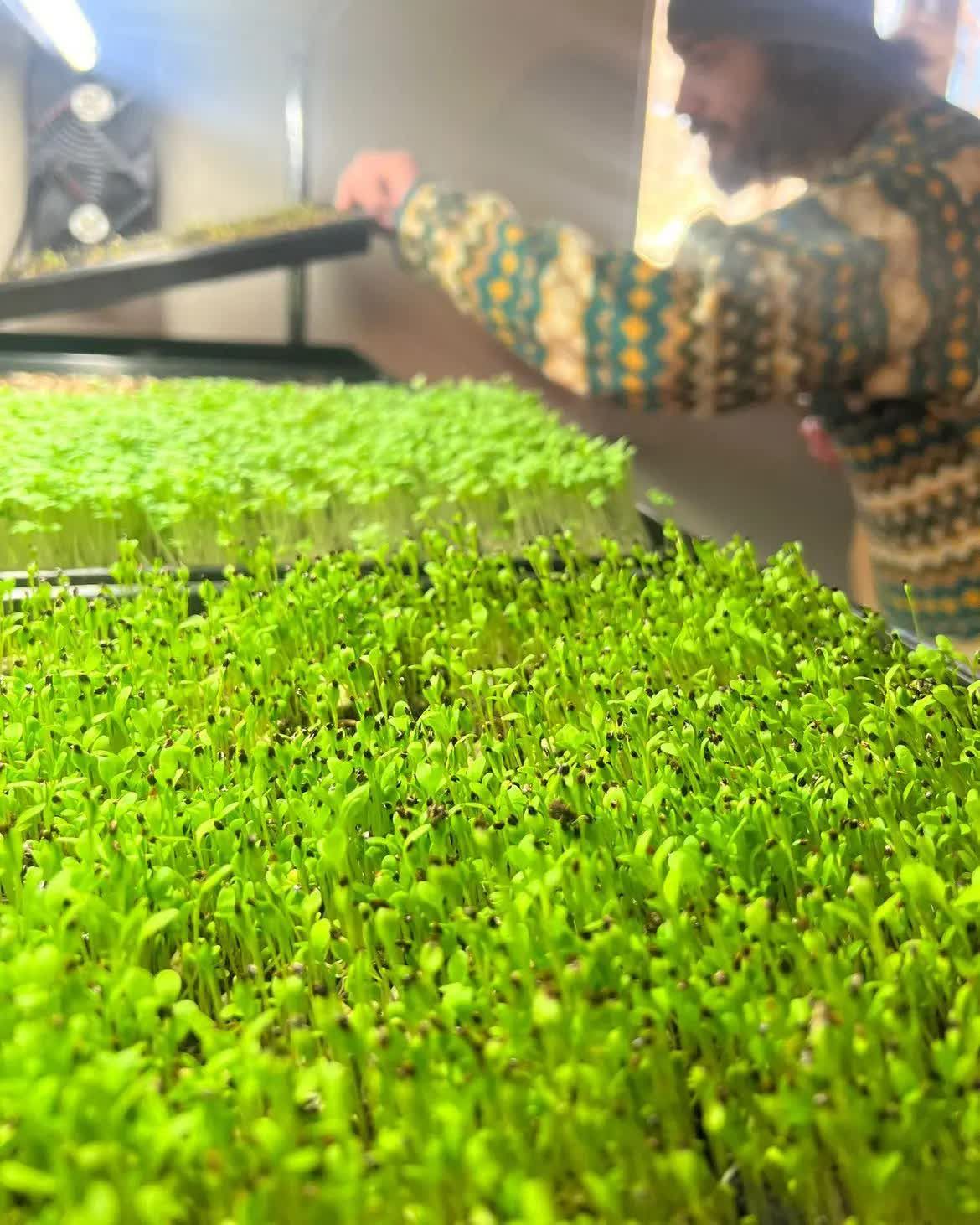
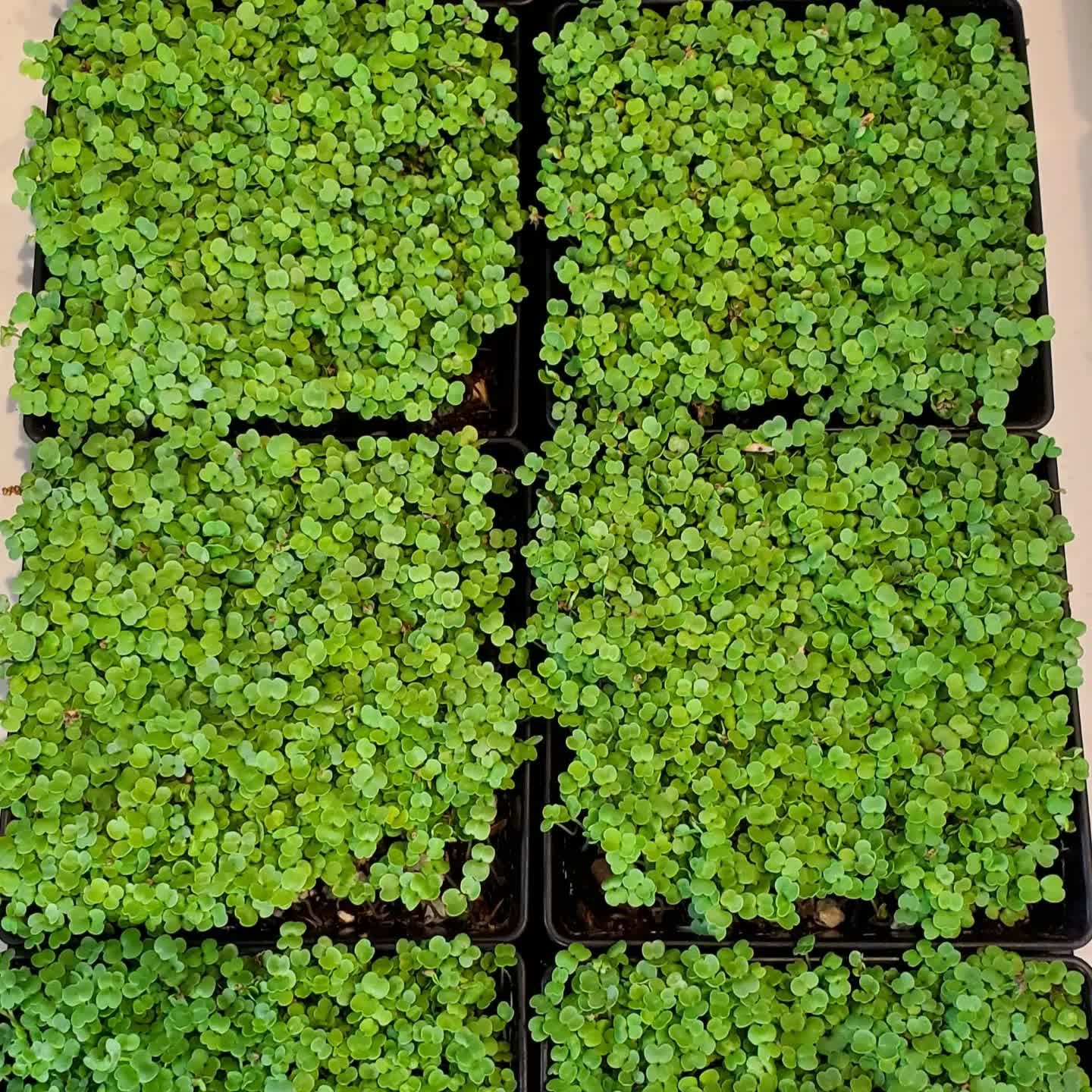
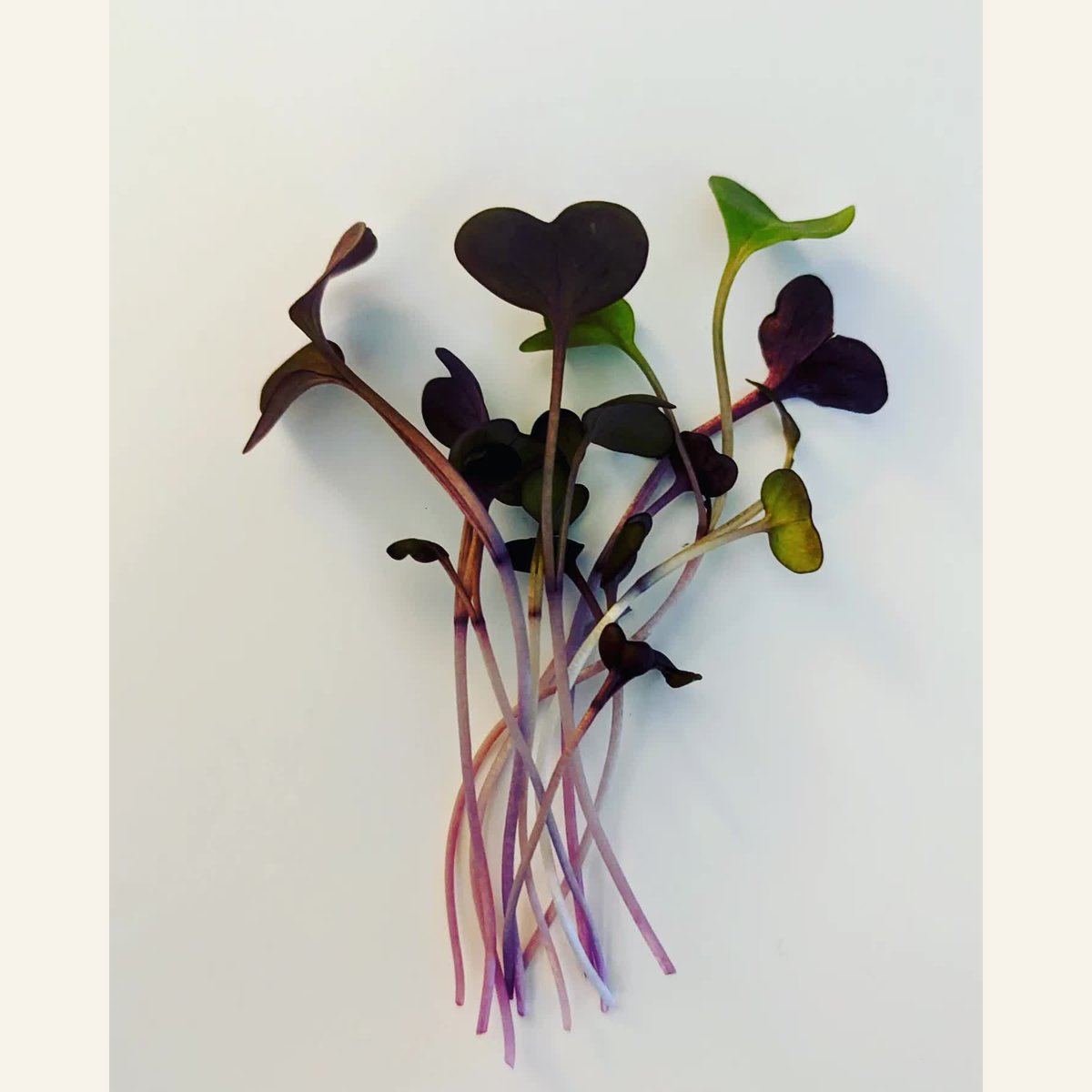
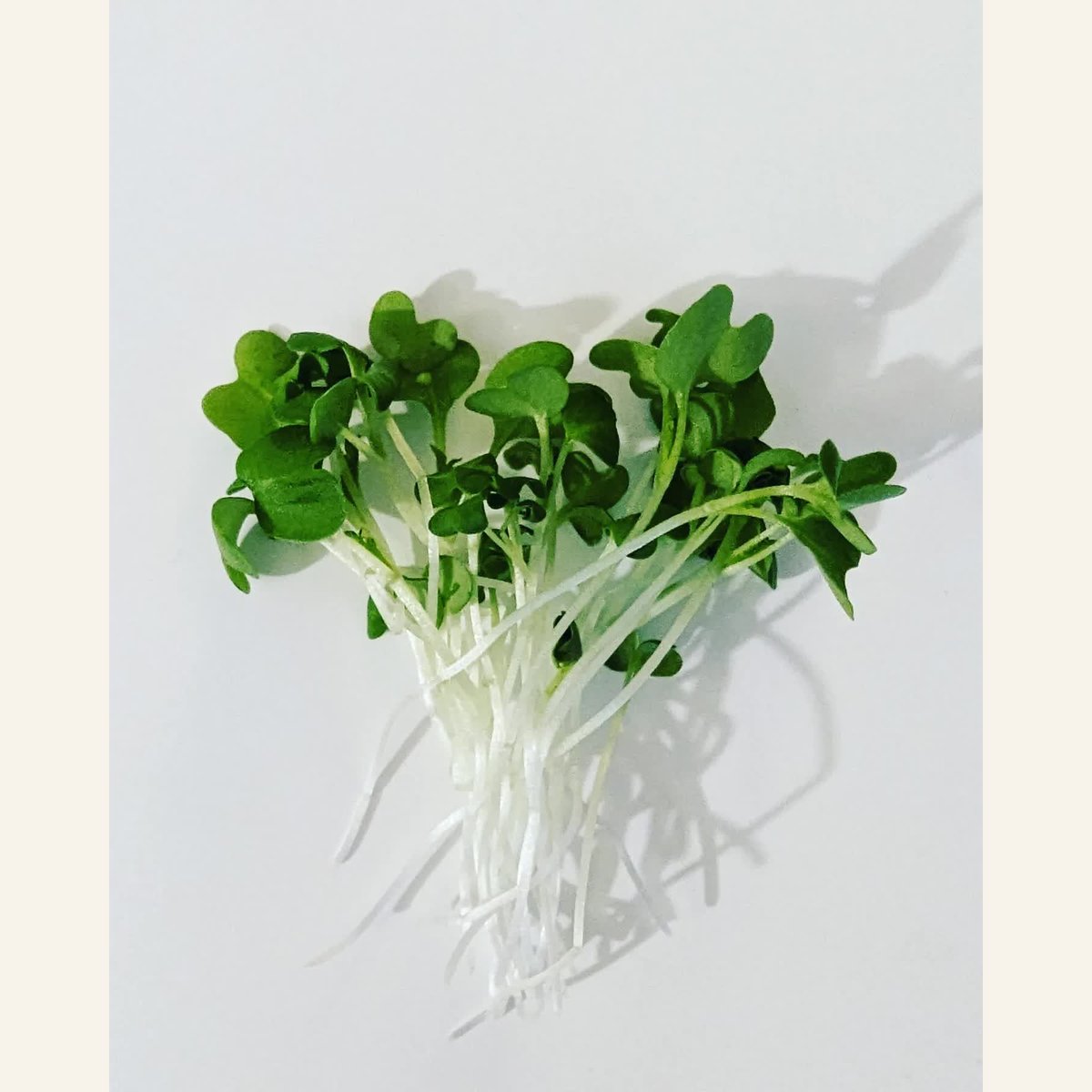
These photos are from spring 2023, back when the grow was just getting started. They're a look back at the early days, not a list of what's available today.

Dense trays of bright green microgreens in the foreground, with Greg slightly out of focus behind them, reaching into a grow rack
Spring 2023 · early trays on the rack
Overhead view of six black trays filled with young arugula microgreens
Spring 2023 · arugula, day 6
A small bunch of Red Rambo radish microgreens with dark purple, heart-shaped leaves and pink stems on a cream background
Spring 2023 · Red Rambo radish
A small bunch of wasabi microgreens with green leaves and white stems on a cream background
Spring 2023 · wasabi

More from the grow on Instagram.

What we grow

Fresh greens first, plus whatever the season brings.

Microgreens

Our main crop — year-round. Each variety is grown in its own tray and harvested fresh with a single cut. Greens are sold unwashed, so your kitchen rinses them right before use.

Single varieties only. We don't sell pre-washed greens, mixed blends, or juice.

Seasonal

Herbs

  • Basil
  • Oregano
  • Thyme
  • Rosemary
  • Dill
  • Parsley
  • Cilantro

Seasonal

Greens & roots

  • Arugula
  • Endive
  • Carrots
  • Beets
  • Egyptian walking onions
  • Garlic

Seasonal

Summer & fall produce

  • Tomatoes
  • Peppers
  • Squash
  • Butternut squash

Herbs, greens & roots, and summer/fall produce are outdoor seasonal crops, grown in small amounts. Requests for the 2027 growing season are welcome now — email us with what you'd like to see. Microgreens stay our year-round focus.

Learn

A short guide to microgreens.

Plain answers about what they are, why people eat them, how to keep them, and how we grow ours in Littleton. No hype — just the useful bits.

What are microgreens?

Microgreens are young seedlings of vegetables and herbs, usually harvested when the seed leaves (cotyledons) are open and the first true leaves are just coming in — often about 1 to 3 inches tall, roughly 7 to 21 days after sowing, depending on the crop.

They're different from sprouts, which are germinated seeds eaten whole (seed, stem, and root), often grown in water with little or no light. They're also different from baby greens, which grow longer (often a few weeks more) until true leaves are fully developed and plants are taller. With microgreens, you eat the cut stem and leaves; the roots stay in the tray.

Why eat them?

People reach for microgreens for flavor, color, and texture — a small handful can brighten a plate. On nutrition, a well-known 2012 study by USDA Agricultural Research Service and University of Maryland researchers measured vitamins and carotenoids in 25 commercial microgreen varieties. Levels varied a lot by crop, and on average the young greens showed higher concentrations of several vitamins and carotenoids than the mature leaves of the same plants (compared with USDA nutrient data). Growing, harvest, and handling can change those numbers, so think of microgreens as a flavorful way to add variety to vegetables — not a medical treatment.

How to store and use

Keep microgreens cold and dry in the fridge (about 40°F / 4°C or below). Leave them in their container or a breathable bag; don't wash until you're ready to eat. Ours are sold unwashed on purpose — rinse gently under cool running water right before use, then pat dry. (Soap or produce washes aren't recommended for fresh greens.)

Shelf life depends on variety and how they're handled; many people use refrigerated microgreens within several days to about a week or so while they still look fresh and crisp. Trust your eyes and nose — if they wilt, smell off, or look slimy, compost them.

Easy ideas: toss into salads, tuck into sandwiches and tacos, scatter over eggs, use as a garnish, or blend into a smoothie. A little goes a long way.

How we grow

Each variety gets its own tray. We grow in a soil-based mix, give the seedlings light and care, then harvest with a single cut just above the medium. No mixed blends in the pack — you get one variety at a time so the flavor stays clear.

Soil health sits at the center of the work. My day job is with a soil-sample prep team, and that background keeps me focused on living soil: organic matter, careful handling, and closing loops where we can. We're building toward a composting and worm-castings (vermicompost) loop — turning kitchen scraps and cardboard into castings that feed the next round of trays and garden beds. Live worms and bagged castings are planned for later; see Coming soon below.

For chefs

Single-variety, unwashed microgreens give kitchens control: you rinse when you're ready, so greens stay drier in storage and you decide the final wash. Distinct varieties mean predictable flavor and color for garnish, salads, and plating — without a pre-mixed blend you didn't ask for.

We're a small Littleton grow, still finishing local licensing before retail orders. Restaurant and chef inquiries are welcome now so we can plan trays. Reach out with what you use and roughly how often.

Quick FAQ

Are your microgreens washed?

No. They're sold single-cut and unwashed. Keep them cold and dry, then rinse under cool running water right before you eat or plate them.

Do you sell mixes or juice?

No. We grow and sell single varieties only — no blended mixes and no juice.

Are you certified organic?

No. We grow with a soil-health focus and carefully chosen inputs, but we don't claim organic certification for Greg's Grateful Greens.

How long do they keep?

It varies by variety and storage. Keep them refrigerated and dry, and plan to use them while they still look and smell fresh — often within several days to about a week. When in doubt, compost.

Can restaurants order now?

We're launching soon and not yet taking regular orders, but we are collecting chef and restaurant interest so we can plan. Email is the best way to start.


For restaurants & chefs

Looking for a local microgreens grower?

We're finishing our local licensing and getting ready to work with a small number of Littleton-area kitchens. If you'd like fresh, single-cut microgreens from just down the road, we'd love to hear from you now.

Start a conversation

Helpful to include in your email

  • Your restaurant and location
  • Which greens or herbs you use most
  • Roughly how much, and how often
  • The best way and time to reach you

No commitment. We're collecting interest now so we can plan trays before launch. Seasonal herb and produce requests for the 2027 growing season are welcome too.

Coming soon

More from the soil, later on.

Next

Worm castings & live worms

We're setting up worm bins that turn kitchen scraps and cardboard into vermicompost (worm castings) for gardens and houseplants. Down the road we plan to offer castings, plus live worms for people starting their own bins.

Further out

Edible & cut flowers

We hope to add edible flowers for plating and cut flowers for the table. We'll share updates on Instagram as those beds take shape.

Say hello

Chefs, neighbors, and fellow growers are all welcome. Email is the best way to reach us — including seasonal crop requests for 2027 — and Instagram is where we share the grow.